
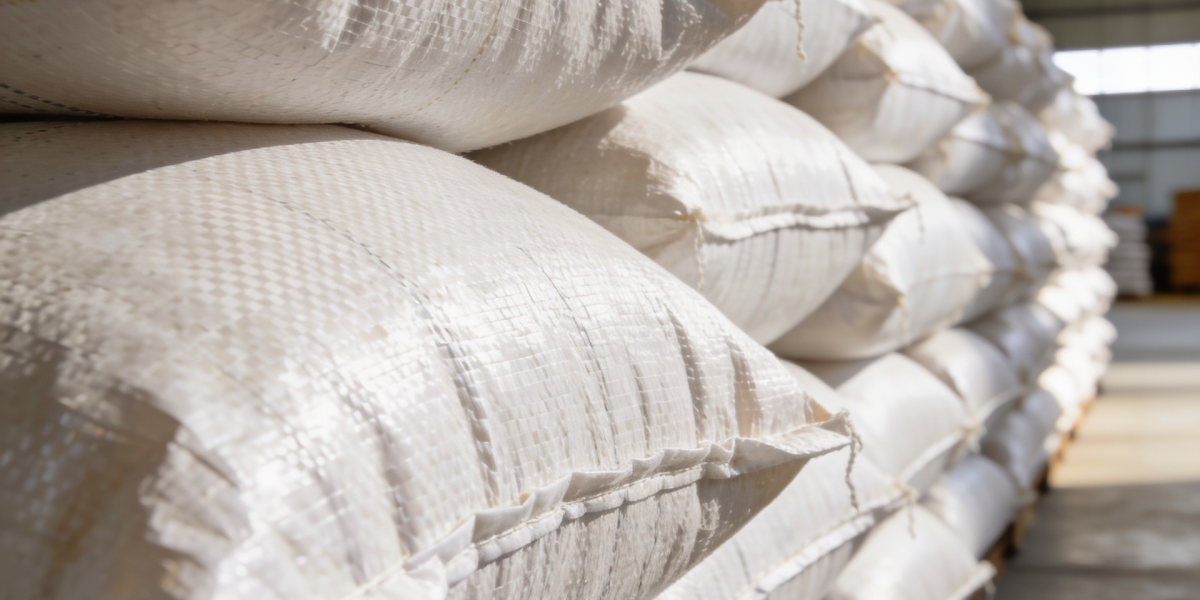
The price of plastic sacks is fluctuating because their raw materials are made from oil. The raw material for plastic sacks is PP (Polypropylene), which is an oil derivative. There are several factors causing prices to drop significantly:
1. Geopolitics
The Iran war disrupted oil supplies from the Strait of Hormuz. This conflict affected 20% of the world’s oil and gas flow to consumer countries, especially in Asia, which heavily depends on Middle Eastern oil. As the war eased, oil prices fell.
It is worth noting that China is estimated to have 1.4 billion barrels of oil reserves. These reserves, along with renewable energy (such as solar, wind, and hydropower), act as a buffer for China’s domestic oil needs. China is also the world’s largest oil consumer. Its oil consumption has decreased due to the widespread use of electric vehicles (NEV), plug in hybrids, electric buses, and electric trucks. Combined with coal powered electricity generation, China’s oil usage is only about 30% of its total energy demand.
Therefore, when purchasing plastic sacks, we must be smart in predicting when the Iran war will end. Note that the current oil price is USD 73 per barrel (Brent Crude). Under current wartime conditions, it is recommended to buy plastic sacks only as needed. If a peace agreement between Iran–US & Israel is signed, oil prices will fall.
2. More Efficient Sack Making Technology
Recently, new technology from China has emerged that can produce plastic sacks with a 15:85 ratio (15% virgin plastic pellets : 85% recycled), or even 100% recycled. Another advancement is the increasing sophistication of sack making machines that can produce thin denier (600) without the sacks breaking. This is supported by the decreasing price of sack making machines themselves, resulting in a smaller ROI.
3. Improved Printing Techniques & Lamination Machines
Sack factories have a vertical integration structure, meaning they possess a complete supply chain—from upstream to downstream. For example, besides sack making machines, they also have rotogravure printing, dry lamination (flexible packaging), and OPP machines (semi raw material).
Recently, tandem lamination machines have been introduced, capable of laminating sacks with front and back OPP simultaneously. Why is this considered a breakthrough? Because it allows both front and back OPP to be printed at the same time using one cylinder. This technique saves 15% of waste (aval).
Market Forces: A Thick Supply Chain
Another factor driving price reductions is the extremely “dense” plastic supply chain in Indonesia, creating a race to the bottom (price war). Imagine a cup of tea with so much tea added that it becomes saturated—that is what our plastic industry looks like.